Why total metals is a narrow signal
A COA row that says heavy metals total quantity provides a simple screen, but it hides the most important detail: which elements were evaluated. Lead, cadmium, mercury, arsenic, nickel, cobalt, iron, chromium, copper, palladium, and other process-related metals do not carry the same risk profile or analytical behavior.
Modern elemental impurity control treats the test as element-specific. The lab identifies target elements, prepares the sample, standardizes the instrument, and reports each element relative to a target limit or reporting threshold.
How ICP-MS works
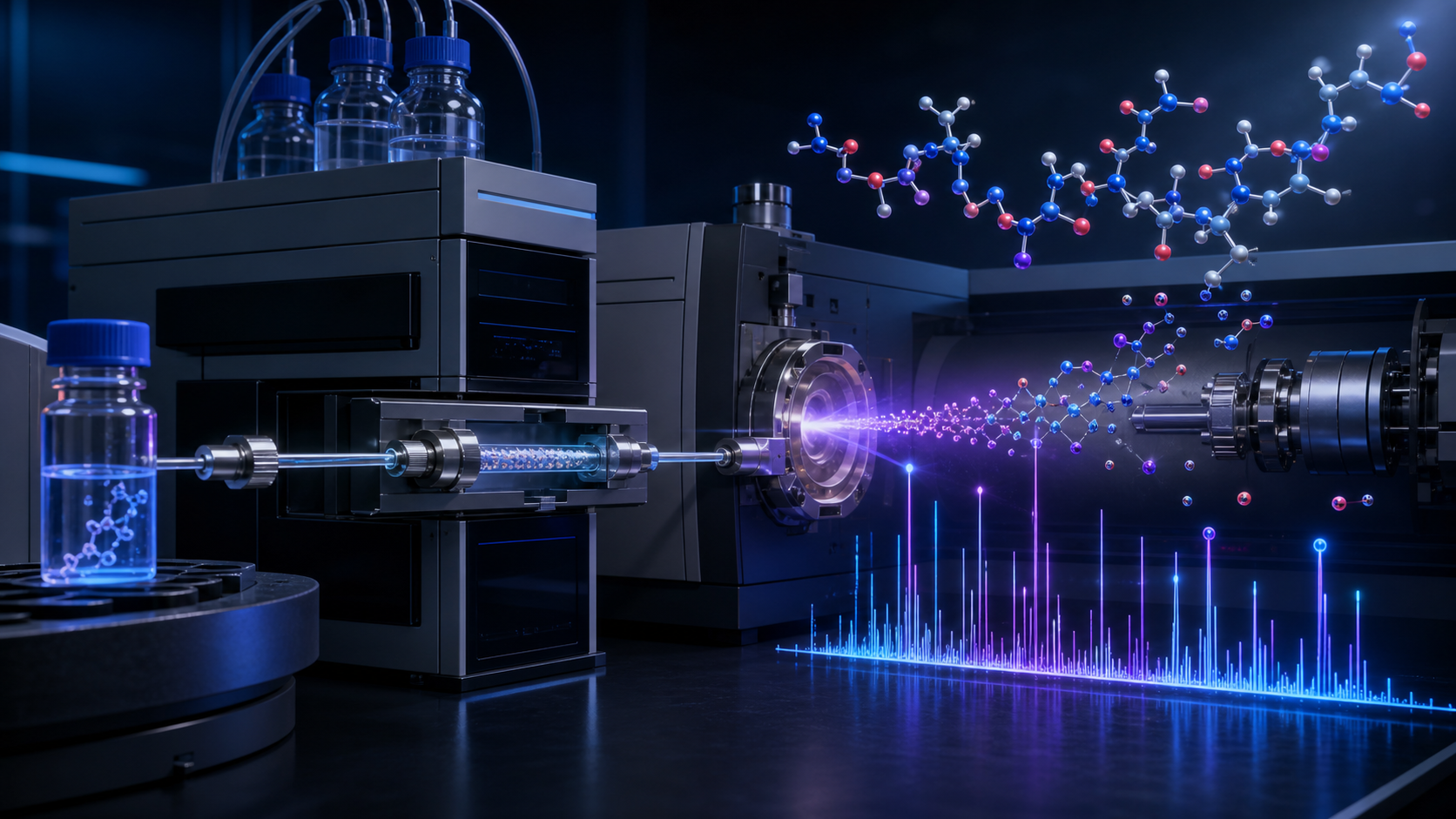
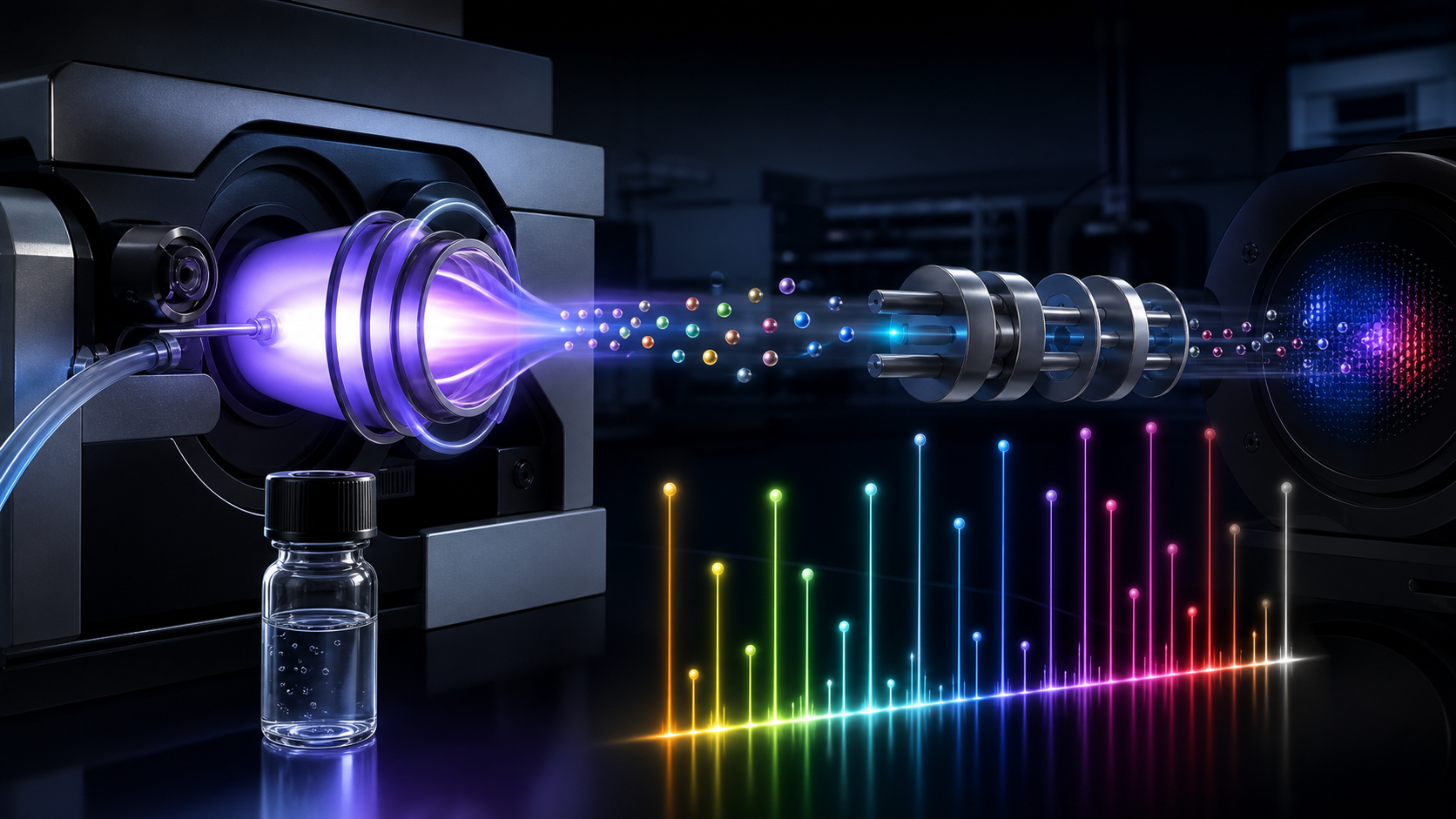
Inductively coupled plasma mass spectrometry introduces a prepared sample into a very hot plasma. The plasma atomizes and ionizes elements. The mass spectrometer then separates ions by mass-to-charge ratio and measures signal intensity against calibration standards.
ICP-MS is highly sensitive and well suited for trace-level elemental impurity work. ICP-OES can also be appropriate for many elements and concentration ranges. USP <233> recognizes both styles as compendial procedure families for elemental impurity procedures.
Sample preparation matters
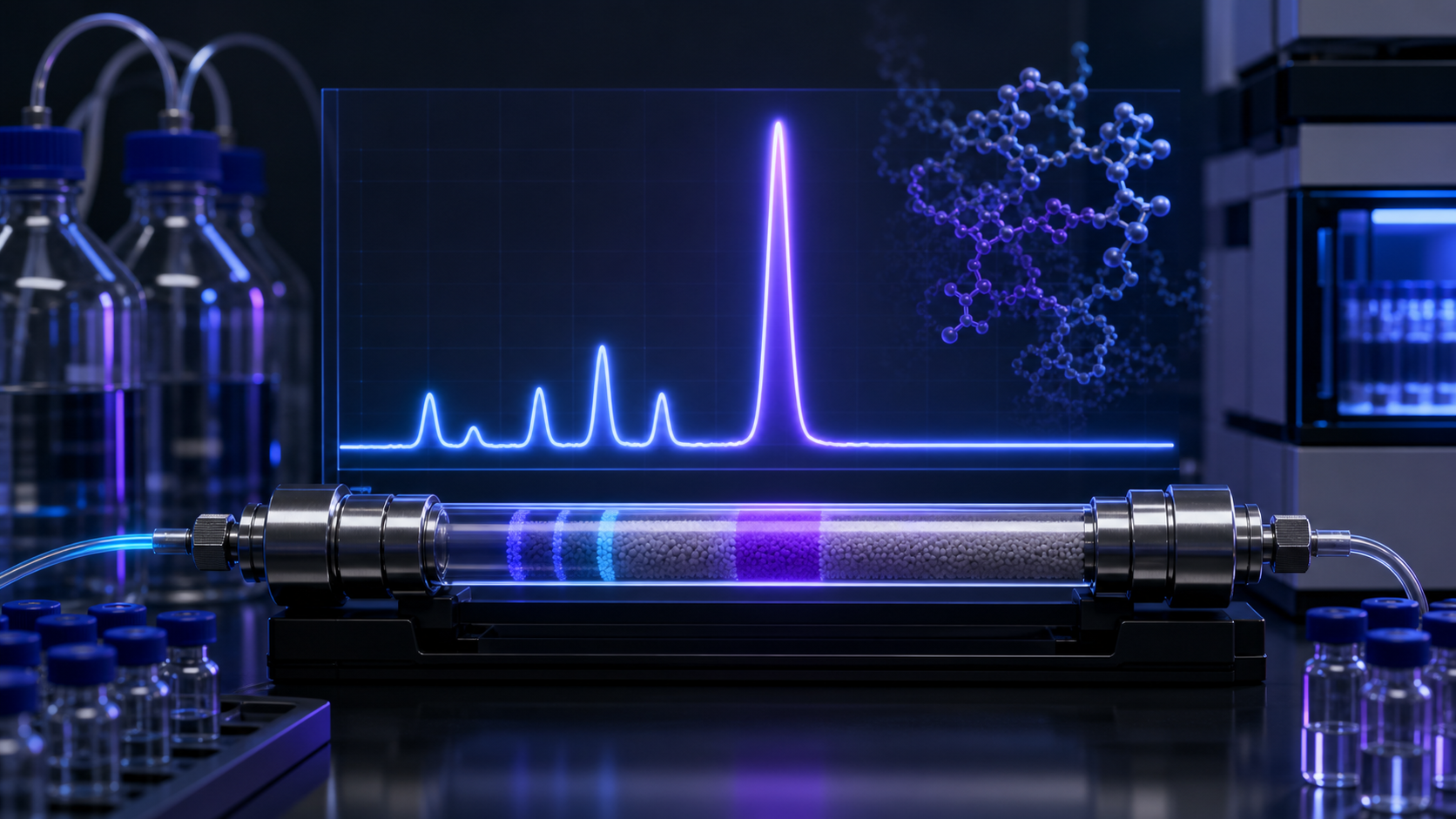
Peptide matrices can require digestion, dilution, acid matching, mercury stabilization, or other preparation steps. Contamination control is central. Trace metals can enter from glassware, acids, water, filters, vials, or sample-handling tools.
A good elemental impurity report should state whether the material was digested or diluted, what elements were targeted, what calibration and internal standards were used, and whether the method met suitability requirements.
Risk control is not a single number
ICH Q3D frames elemental impurities through permitted daily exposures and route-specific risk assessment for drug products. Research-material COAs should be careful not to imply regulatory release status, but the scientific principle still applies: targeted, element-specific evidence is more useful than a single generic heavy-metals row.
- Element-specific values are more meaningful than a total-heavy-metals number.
- A below-limit result applies to the tested elements and method detection capability.
- The report should distinguish not detected, below quantitation limit, and quantified values.
- A result cannot cover elements that were not in the target list.
- Improper sample preparation can suppress signal, contaminate the sample, or lose volatile species.
- Elemental impurity testing does not address organic impurities, residual solvents, microbial quality, or identity.
Accuracy checks before relying on this result.
- Reject generic heavy-metals confidence unless the target elements, units, reporting limits, and sample preparation are visible.
- Do not imply an ICH Q3D or USP framework creates patient-safety clearance for a research material or an unapproved product.
- Confirm whether the method reports quantified values, below-quantitation results, or not-detected calls; those are different statements.
What a stronger report should make visible.
- Target element list included.
- ICP-MS or ICP-OES method named.
- Reporting limits, quantitation limits, and units stated per element.
- Sample preparation and standardization approach documented.
Analytical scope
This article is educational content about analytical chemistry and COA interpretation. It does not state that any peptide is safe, effective, sterile, injectable, therapeutic, approved, compliant, or fit for human or animal use.
Research-use-only, no reliance, and liability limits.
These pages are research-use-only analytical education. They are not medical, safety, legal, regulatory, quality-system, purchasing, or product-use advice, and they do not state that any material is safe, effective, sterile, injectable, therapeutic, approved, compliant, or fit for human, animal, clinical, therapeutic, diagnostic, drug, dietary, cosmetic, resale, or other regulated use.
- Official standards, signed lab records, applicable law, and qualified professional review control.
- Visitors use and rely on this content at their own risk.
- To the fullest extent permitted by law, Purity Analytics LLC and its laboratories, partners, vendors, affiliates, contractors, service providers, customers, and agents disclaim warranties and liability for losses arising from access, use, or reliance.
Scientific anchors
These references are used as method-development and interpretation anchors. They do not turn this page into a regulated product release protocol.